
Having your teeth cleaned regularly is an essential part of maintaining good oral health. Professional cleanings can help prevent the buildup of plaque and tartar, which can lead to tooth decay, gum disease, and other dental problems. But how often should you have your teeth cleaned by a dentist? In this article, we will explore the recommended frequency of dental cleanings and the factors that may affect it.
What is a dental cleaning?
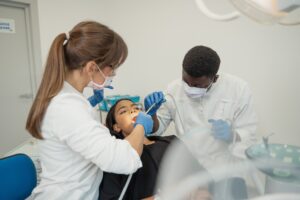
A dental cleaning, also known as a prophylaxis, is a procedure that removes plaque, tartar, and other debris from your teeth and gums. During a cleaning, a dental hygienist will use specialized tools to scrape away buildup from the surfaces of your teeth and beneath your gumline. They may also polish your teeth to remove surface stains and leave them looking brighter and smoother.
Why are dental cleanings important?
Regular dental cleanings are important for several reasons. First and foremost, cleanings can help prevent dental problems such as tooth decay and gum disease. Plaque and tartar buildup can provide a breeding ground for harmful bacteria, which can lead to these and other dental issues if left unchecked.
Secondly, dental cleanings can help detect and address dental problems early on. During a cleaning, a dental hygienist may identify signs of tooth decay, gum disease, or other issues that require further treatment. By catching these problems early, you can avoid more extensive and costly treatments down the line.
Finally, dental cleanings can help improve the appearance of your teeth. By removing surface stains and polishing your teeth, a cleaning can leave your teeth looking brighter and healthier.
How often should I have my teeth cleaned by a dentist?
The American Dental Association (ADA) recommends that most people have their teeth professionally cleaned at least every six months. This is based on the typical rate of plaque and tartar buildup, as well as the general population’s risk for dental problems.
However, the frequency of cleanings may vary depending on individual factors such as age, overall oral health, and risk for dental problems. For example, if you have a history of gum disease or if you have certain medical conditions such as diabetes, your dentist may recommend more frequent cleanings. Likewise, if you have good oral hygiene habits and a low risk for dental problems, your dentist may recommend less frequent cleanings.
It is important to consult with your dentist to determine the optimal frequency of cleanings based on your individual needs and circumstances. Your dentist can assess your oral health and provide personalized recommendations for cleanings and other preventive measures to help maintain optimal oral health.
What happens during a dental cleaning?
During a dental cleaning, a dental hygienist will typically perform the following steps:
- Visual exam: The hygienist will examine your teeth and gums for signs of dental problems such as cavities, gum disease, and oral cancer.
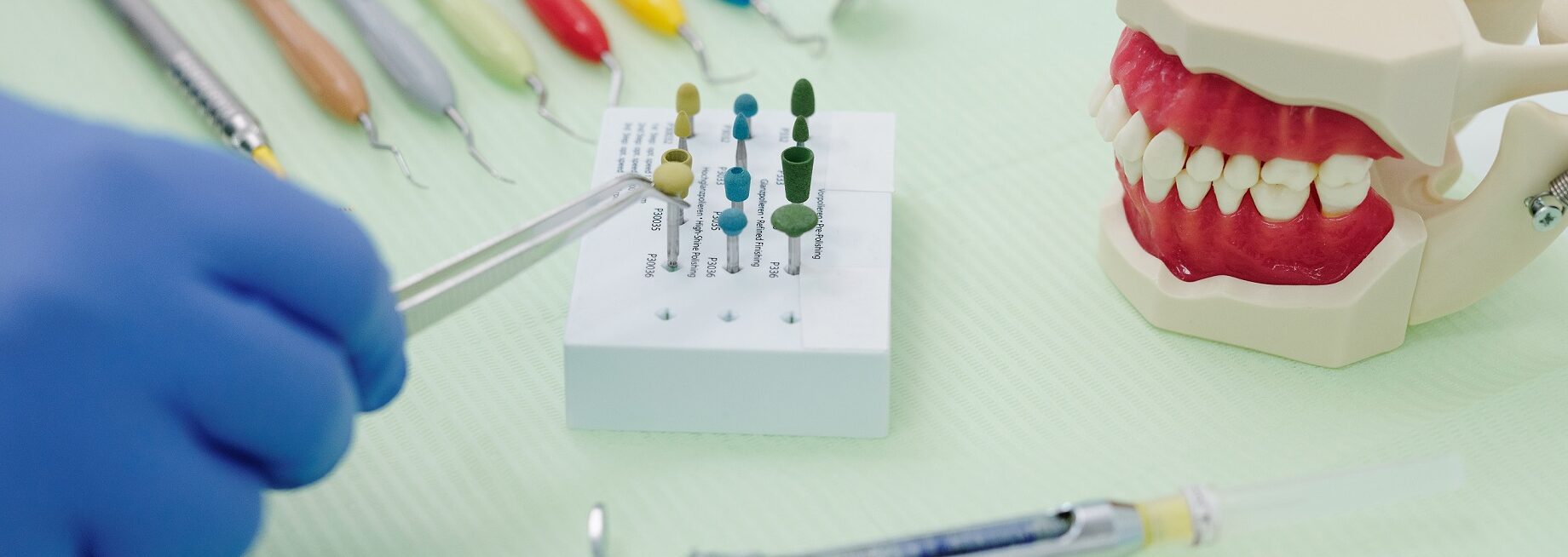
- Plaque and tartar removal: The hygienist will use specialized tools to scrape away plaque and tartar from the surfaces of your teeth and beneath your gumline. This process may involve a combination of manual scraping and ultrasonic scaling.
- Polishing: The hygienist will polish your teeth using a special paste and a rotating brush. This can help remove surface stains and leave your teeth looking brighter and smoother.
- Flossing: The hygienist will floss your teeth to remove any remaining debris and ensure that your teeth and gums are thoroughly cleaned.
- Fluoride treatment: Depending on your individual needs, the hygienist may apply a fluoride treatment to help strengthen your tooth enamel and prevent cavities.
The entire cleaning process usually takes about 30 minutes to an hour, depending on the extent of buildup and other factors.
What are the benefits of regular dental cleanings?
Benefits of regular dental cleanings include:
- Preventing tooth decay: By removing plaque and tartar buildup, dental cleanings can help prevent cavities and other forms of tooth decay.
- Preventing gum disease: Dental cleanings can help prevent gum disease by removing plaque and tartar buildup from beneath the gumline, where it can cause inflammation and infection.
- Improving oral hygiene: Dental cleanings can help improve your oral hygiene by removing buildup and surface stains, leaving your teeth and gums looking and feeling cleaner.
- Early detection of dental problems: During a dental cleaning, a dental hygienist may identify signs of dental problems such as cavities, gum disease, and oral cancer. By catching these problems early, you can avoid more extensive and costly treatments down the line.
- Fresher breath: Dental cleanings can help improve your breath by removing bacteria and debris that can cause bad breath.
- Brighter, healthier-looking teeth: By removing surface stains and polishing your teeth, dental cleanings can leave your teeth looking brighter and smoother.
Overall, regular dental cleanings are an important part of maintaining good oral health. By following the recommended frequency of cleanings and working with your dentist to address any dental problems, you can help prevent dental problems and maintain a healthy, attractive smile.